
Yoga Offerings
Choice-centered yoga for resilience, regulation, and renewal.
Yoga is more than exercise. Done well, it’s a practice of listening: noticing sensations, breath, emotions, thoughts, and the subtle cues that guide us toward balance. My approach is trauma-informed, choice-centered, and grounded in nervous system regulation, with practices designed to support the whole person: physically, emotionally, and spiritually.
Whether you are looking for a steady weekly practice, a therapeutic approach to stress and trauma, or a customized program for your group or workplace, we will build a container that supports safety, accessibility, and meaningful change.
- General yoga classes and private sessions
- Trauma-Sensitive Yoga (TSY)
- Tailored yoga programs for individuals, groups, and organizations
- Integrative mind-body sessions that support stress resilience and emotional regulation
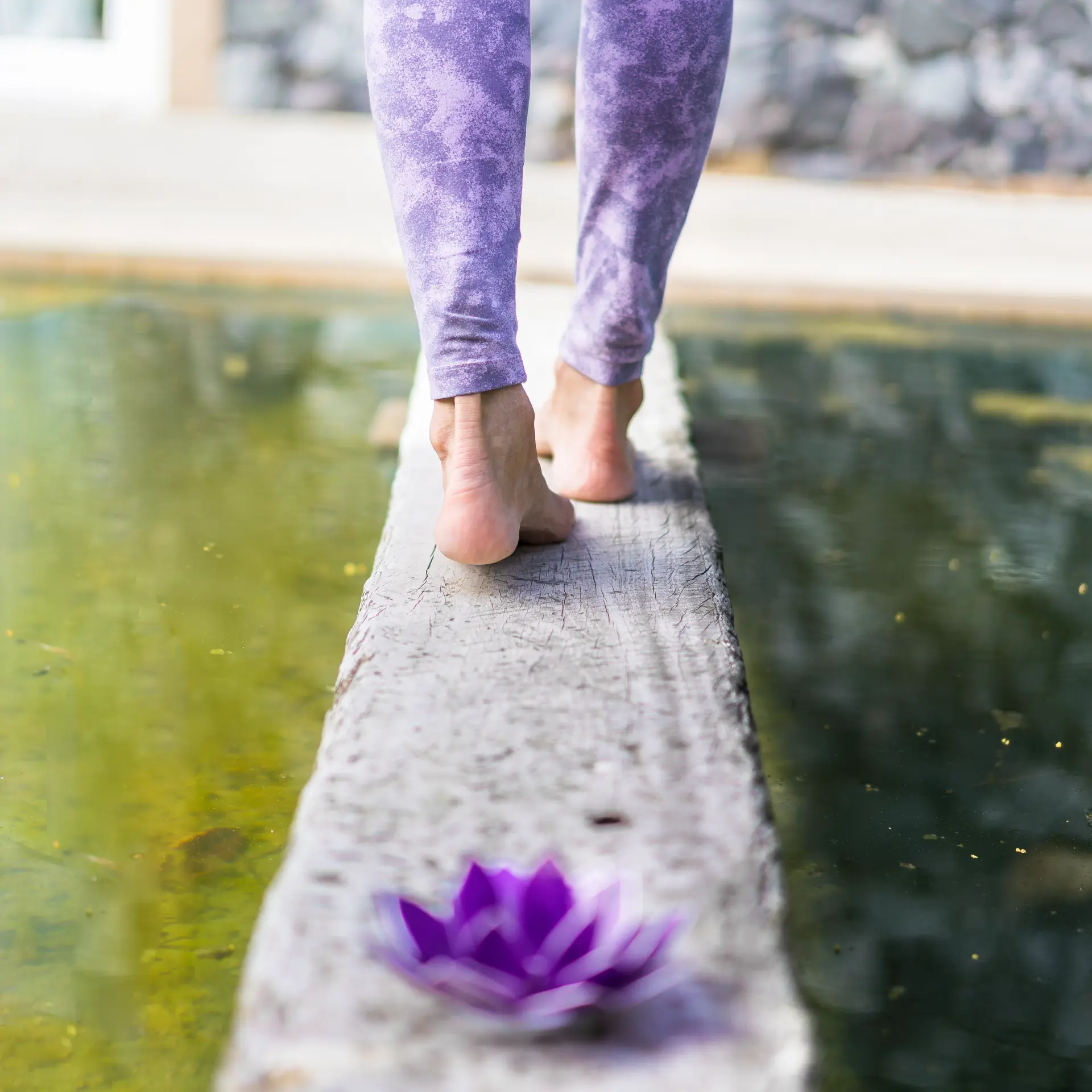

Trauma-informed Yoga
Strength, movement, breath, and presence, without pressure or performance
Trauma-informed yoga is designed with the understanding that individuals may or may not have a history of trauma and may benefit from an approach that emphasizes choice and autonomy.
These sessions emphasize sustainable alignment, accessible movement, and practices that support the nervous system. You can expect a blend of:
- mindful movement (gentle to moderate intensity, based on your goals)
- breathwork for regulation and clarity
- grounding and mindfulness practices
- options for different bodies, ages, and ability levels
This offering is ideal if you want to:
- build strength and flexibility without pushing or perfectionism
- reduce stress and feel more present in your day-to-day life
- reconnect to your body in a supportive, non-judgmental way
Formats: Private sessions | Small groups | Ongoing classes | Retreat sessions
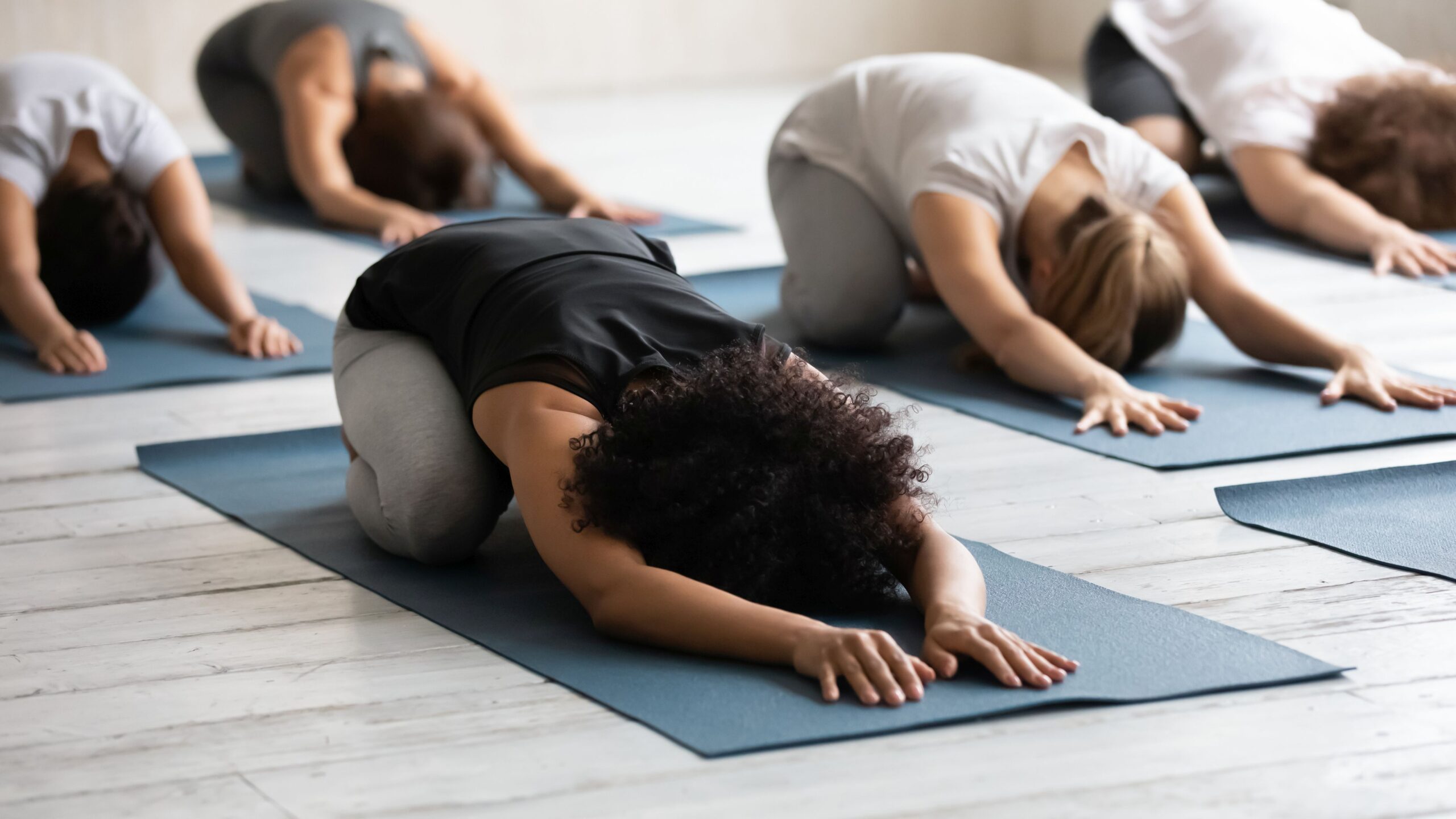
Trauma-Sensitive Yoga
An adjunctive, choice-centered, body-based approach for PTSD and trauma recovery
Compared to Trauma-Informed Yoga, Trauma Sensitive Yoga is specifically designed for individuals with trauma histories, with a more focused application of trauma principles and a heightened level of attention to trauma-related needs and considerations.
Trauma-Sensitive Yoga (TSY) is a body-based, connection-centered practice designed to support people who have experienced trauma, especially those with chronic or treatment-resistant PTSD, those navigating high chronic stress, and a history of feeling unsafe in the body. TSY offers a corrective experience: an opportunity to relate to the body differently, in ways that build choice, autonomy, empowerment, and a felt sense of safety.
Unlike traditional yoga classes that may be fast-paced, performance-oriented, or directive, TSY is intentionally slow, invitational, accessible, and non-judgmental. The emphasis is not on perfect shapes or pushing limits—it’s on what you notice, what feels supportive, and how you build capacity to stay present.
Trauma doesn’t heal just through insight.
For many people, healing also involves gently rebuilding trust in the body—at your pace, in your way.
TSY is often used as an adjunctive support alongside psychotherapy or other evidence-based treatment. It does not require you to talk about trauma, share your story, or “push through” discomfort.
Research from randomized clinical trials suggests TSY can support:
Potential benefits
Research from randomized clinical trials suggests TSY can support:
- reduced PTSD symptom severity
- improved emotional regulation
- enhanced body awareness
- Some studies also suggest strong acceptability and retention, especially for certain trauma populations.
Relative risks
TSY is generally low risk, but risks can include:
- interoceptive focus triggering dissociation, overwhelm, or flashbacks
- standard physical risks (dizziness, falling, muscle strain)
- If you have medical conditions or physical limitations, it is advisable to consult your medical team before participating.
What a Session May Look Like
A typical TSY session often includes:
- a brief orientation to structure, choice, and options
- grounding and present-moment orienting
- slow, accessible movement (often chair-friendly)
- invitations to notice sensations and internal cues
- options to pause, modify, or stop at any time
- closing practice to support integration and regulation
Best for: individuals seeking a gentle, empowering way to build regulation and connection with the body.
Formats: Private TSY-informed sessions | Small groups | Clinician referral options
Tailored Yoga Programs
Designed around your physical, emotional, and spiritual needs
Some people want a yoga practice that directly supports a specific life season: grief, burnout, transition, healing, recovery, or deepening spiritual connection. Tailored programs are built collaboratively and may integrate:
- movement practices to support strength, mobility, pain management, or fatigue
- breathwork to support regulation, sleep, and stress recovery
- mindfulness skills for emotional clarity and resilience
- grounding and embodied practices for safety and self-trust
- optional themes such as values, intention, meaning, and spiritual integration (aligned with your worldview)
These programs can be created for:
- individuals seeking a personalized practice plan
- groups (support groups, community groups, clinical groups)
- workplaces/organizations seeking sustainable wellness support
Examples of tailored programs:
- Nervous System Reset (stress + burnout recovery)
- Resilience Embodiment (emotion regulation + grounding)
- Sleep Support Yoga (down-regulation + bedtime practices)
- Life Transition Support (gentle movement + meaning-making)
- Recovery & Rebuilding (strength + pacing + self-compassion)

Group and Organizational Yoga
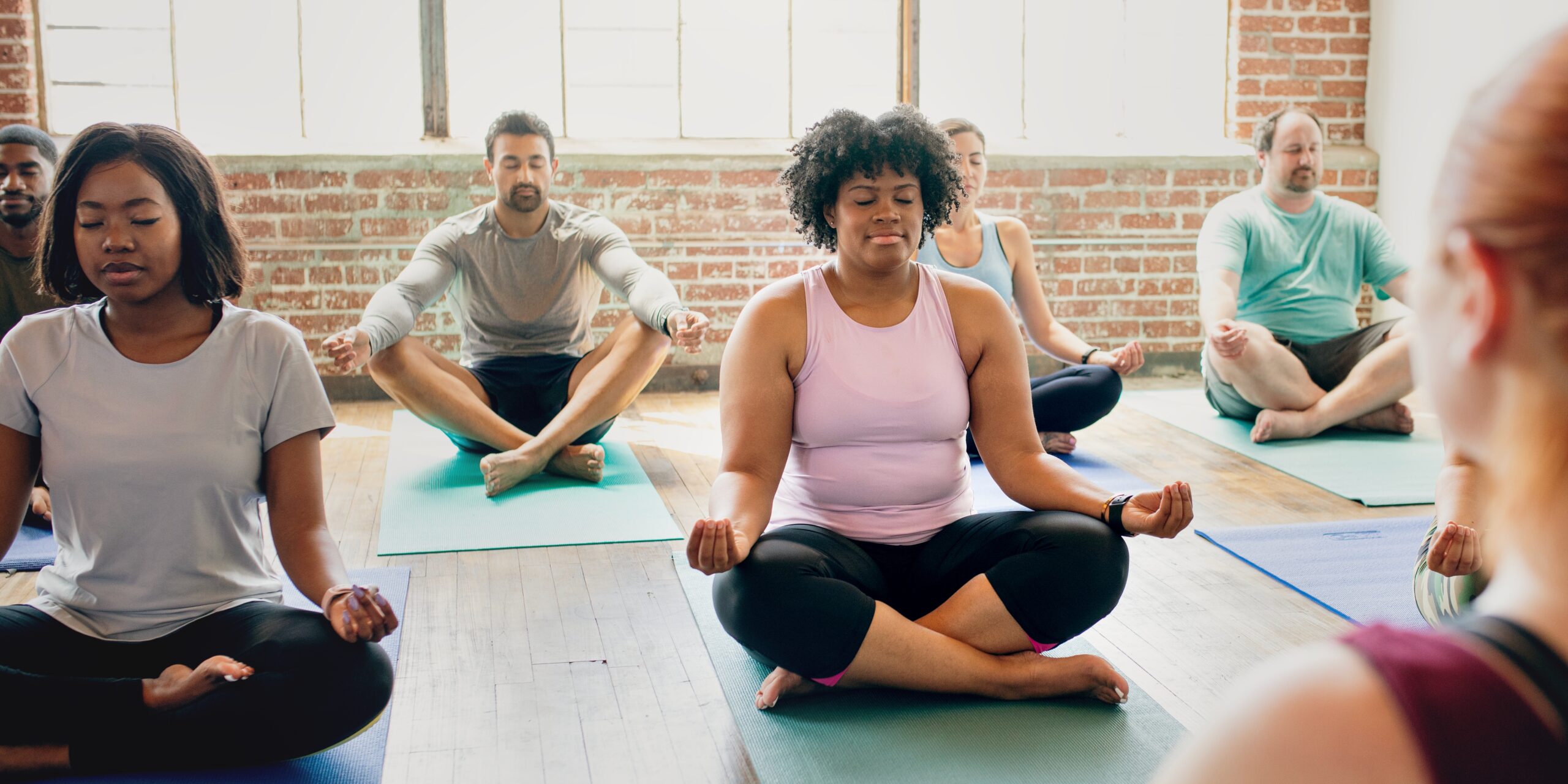
Group and Organizational Yoga
Trauma-informed wellness for teams, communities, and organizations
Group yoga can be a powerful way to build collective regulation and connection, especially when designed with trauma sensitivity, accessibility, and cultural humility.
Workshops and series can include:
- gentle yoga and mobility for stress-related tension
- breathwork for calm and focus
- grounding skills that translate to real life
- psychoeducation on stress physiology and resilience (optional)
- tailored practices for the needs of your population (clinical, healthcare, education, corporate, community)
Common settings: workplaces, healthcare teams, schools, wellness retreats, community organizations, clinical groups.
What to Expect
A typical session includes:
- a brief check-in and intention (as appropriate)
- movement designed for your body and goals
- guided breathwork or mindfulness
- a closing practice for integration and grounding
Sessions are inclusive and adaptable. Options are always offered. Your pace matters.
Getting Started
If you’re not sure which offering is the best fit, we can start with a brief consult to clarify goals and create a plan.
Contact us to:
- Request a Yoga Consultation
- Book a Private Session
- Inquire About Group / Workplace Programs
- Ask About Trauma-Sensitive Yoga
FAQ
No. These sessions are designed to be accessible and supportive for real bodies and real lives.
Yoga sessions are not psychotherapy, but they can be deeply therapeutic. Trauma-Sensitive Yoga can complement mental health treatment and is often used as an adjunct.
Yes. I approach the spiritual dimension with respect and consent—supporting meaning, values, and inner connection in a way that aligns with your worldview.
If you have an injury, are pregnant, or have a medical condition, you will need clearance from your primary care provider or other health care provider to participate in yoga.